Practice · Case File
Passing & points
An NFL analyst wonders if offenses that pass for more yards also score more points — 8 teams, per game. No steps are laid out — decide the approach yourself.
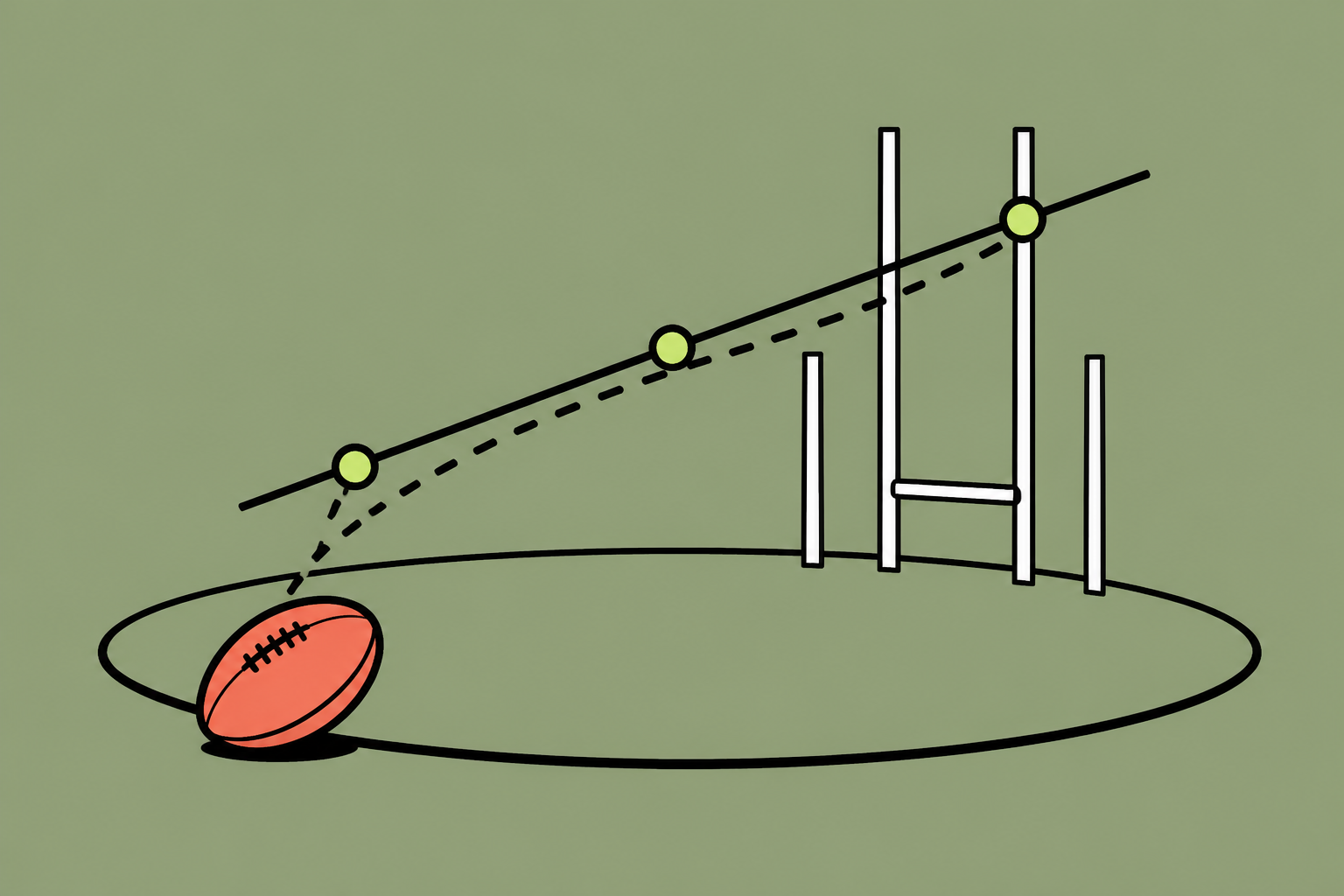
An NFL analyst wonders if offenses that pass for more yards also score more points — 8 teams, per game. No steps are laid out — decide the approach yourself.
Before any maths: is this a regression job, and what plays the role of X and Y?
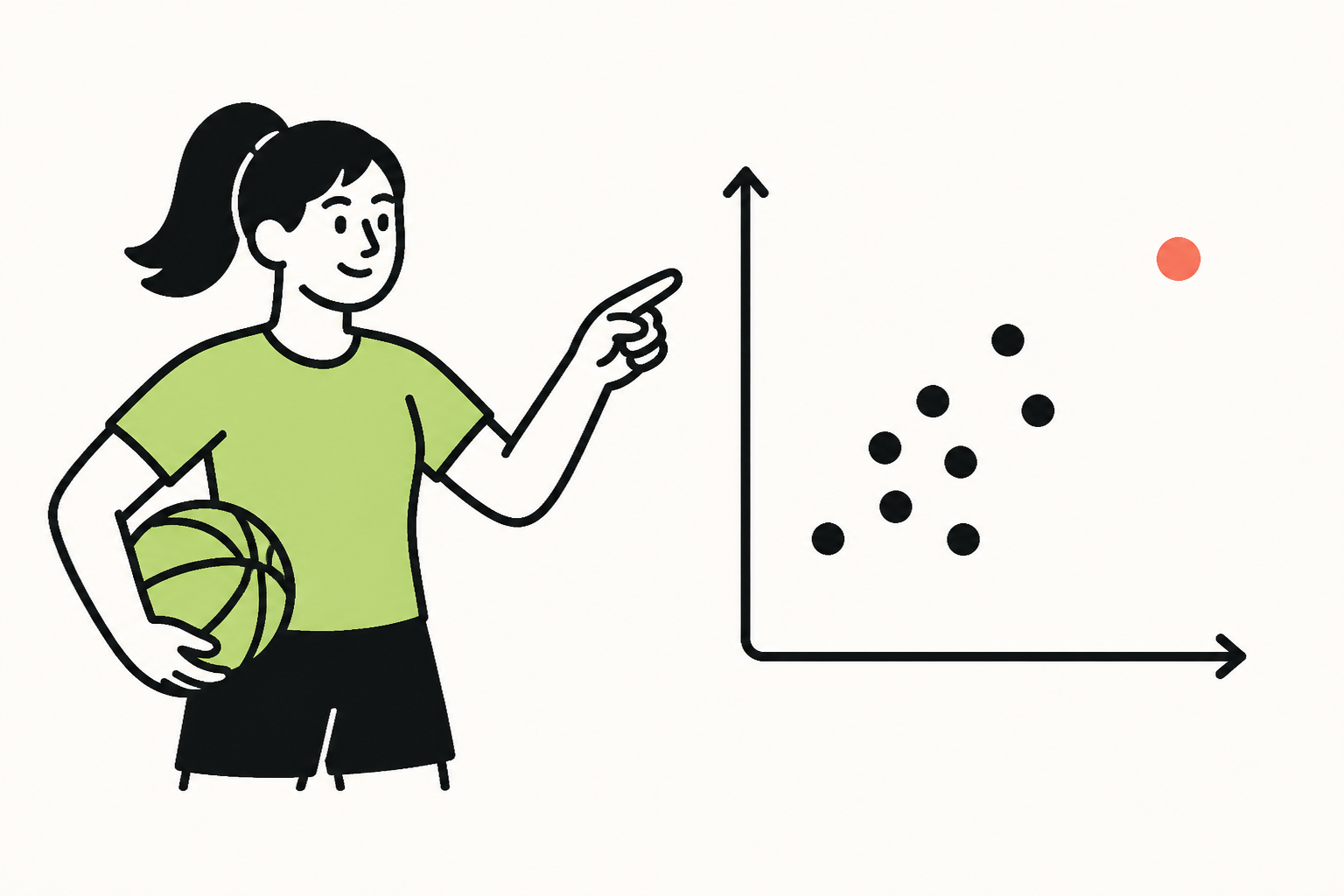
| Team | Pass yds/game | Points/game |
|---|---|---|
| Chiefs | 215 | 18 |
| Bills | 240 | 22 |
| Eagles | 265 | 26 |
| Cowboys | 205 | 17 |
| Dolphins | 285 | 29 |
| Ravens | 250 | 24 |
| 49ers | 275 | 27 |
| Lions | 230 | 21 |
You decided: SLR, with Y = points and X = passing yards. Choose each move yourself.

The tedious sums are done for you. Apply the formulas and check yourself.
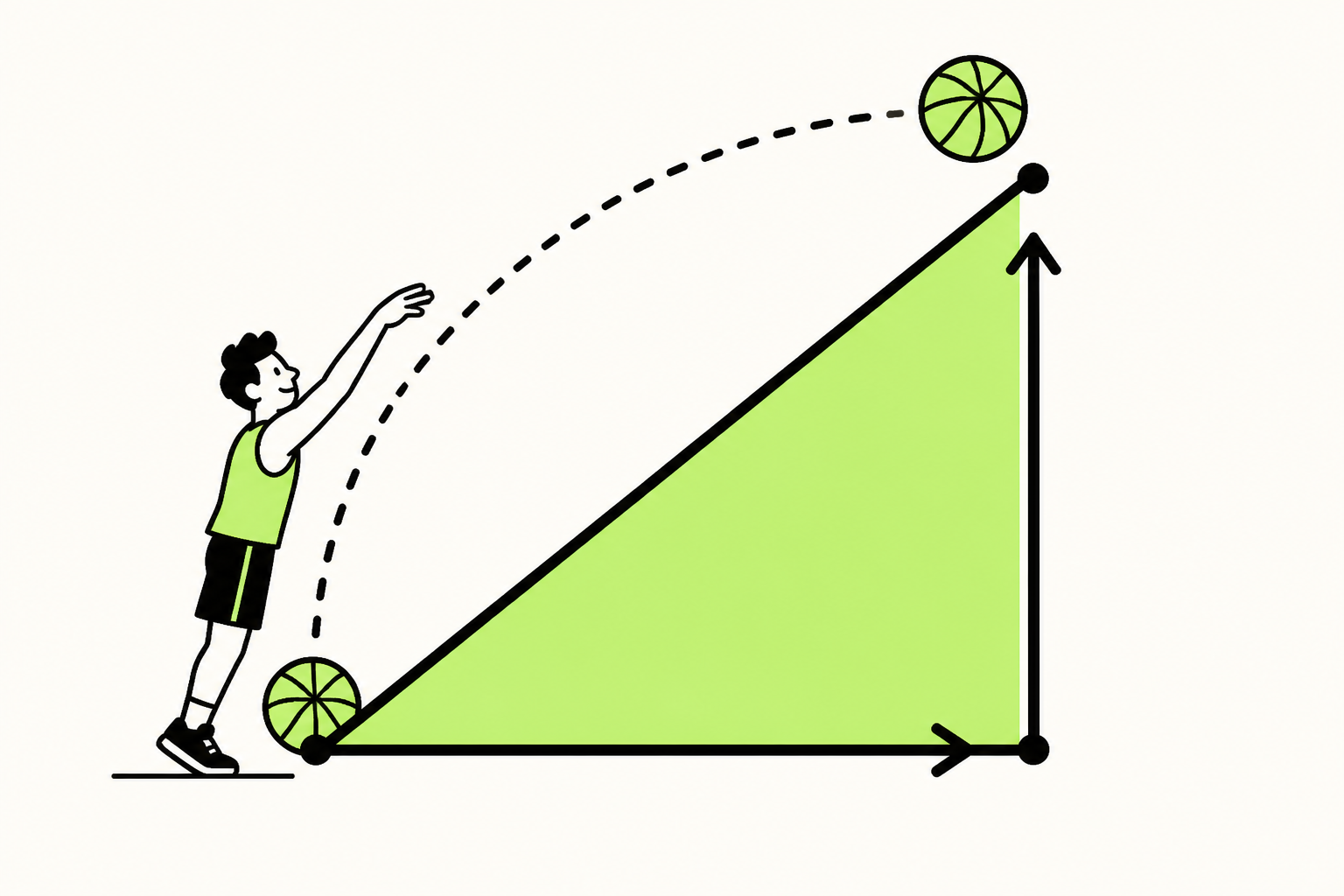
Fitted line: ŷ = -13.81 + 0.150 × yards. Each +1 passing yard is worth about 0.150 points.
The stats only matter if they answer the real question. Two calls to make.

You framed it, planned it, crunched it, and made the call — SLR as a problem-solving tool, not a recipe.